Wildlife Intelligence
Product Details
| Content Format | PDF Ebook |
|---|---|
| Generation & Review | AI-Assisted Research & Expert Curation |

Want Unlimited Downloads?
Get instant access to this product plus 3,200+ digital products with Master Resale Rights at MasterResaleRightsClub.com.
Join MasterResaleRightsClubWildlife Intelligence
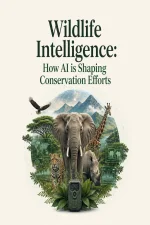
Discover the transformative power of artificial intelligence in wildlife conservation with "Wildlife Intelligence." This insightful ebook explores how cutting-edge technologies are being harnessed to combat the challenges faced by endangered species and their habitats. Whether you're a conservationist, a wildlife enthusiast, or simply someone interested in the intersection of technology and nature, this guide offers valuable insights into the innovative methods being employed to protect biodiversity.
About This Ebook
"Wildlife Intelligence" delves into the crucial role that artificial intelligence plays in modern conservation efforts. As climate change, habitat destruction, and poaching threaten wildlife populations, the need for effective and efficient conservation strategies has never been greater. This ebook discusses various AI technologies that are revolutionizing data collection, habitat monitoring, and anti-poaching initiatives. By providing practical examples and case studies, it highlights how these tools empower conservationists to make informed, data-driven decisions that enhance their efforts to preserve ecosystems and protect vulnerable species.
What You'll Learn
- The various applications of AI in wildlife conservation.
- How AI enhances data collection and analysis for better decision-making.
- Methods for monitoring habitats using advanced technologies.
- The significance of predictive modeling in anticipating wildlife population trends.
- Innovative anti-poaching strategies powered by AI.
- Real-world case studies showcasing successful AI implementations.
- Challenges and ethical considerations in using AI for conservation.
Key Topics Covered
The Role of AI in Data Collection
Artificial intelligence is transforming how data is collected in wildlife conservation. Traditional monitoring methods can be labor-intensive and costly, but AI facilitates the automation of data gathering through advanced technologies like camera traps. These systems can identify species and track their behaviors without the need for constant human oversight, significantly improving efficiency and accuracy in wildlife monitoring.
Habitat Monitoring with Technology
AI plays a pivotal role in monitoring habitats by utilizing satellite imagery and drones. These technologies allow researchers to analyze changes in land use over time, helping to assess the impacts of environmental changes such as deforestation and urbanization. This capability is essential for understanding how these factors influence wildlife habitats and for developing strategies to mitigate negative effects.
Predictive Modeling in Conservation
Predictive modeling is a powerful application of AI that helps conservationists anticipate future trends in wildlife populations. By analyzing historical data, AI algorithms can forecast potential increases or declines in species numbers. This foresight is vital for enabling timely interventions and ensuring that conservation efforts are proactive rather than reactive.
Case Studies of AI Implementation
Several successful applications of AI in wildlife conservation illustrate its effectiveness. Initiatives like Wildlife Insights and Smart Parks showcase how AI can automate species identification and enhance real-time monitoring of wildlife and poaching activities. These case studies demonstrate the tangible benefits of integrating AI into conservation practices, providing valuable insights and improving overall management strategies.
Key Benefits
- Enhanced efficiency in data collection and analysis.
- Improved monitoring capabilities for wildlife and habitats.
- Data-driven decision-making for conservation strategies.
- Proactive management of wildlife populations through predictive insights.
- Engagement of the public in conservation efforts via citizen science platforms.
Who This Ebook Is For
This ebook is designed for a diverse audience, including conservationists, wildlife researchers, environmental advocates, and anyone interested in the innovative applications of technology in nature. Whether you are a seasoned professional or a passionate beginner, "Wildlife Intelligence" provides valuable knowledge and insights that can enhance your understanding of how AI is shaping the future of wildlife conservation.
Frequently Asked Questions
What is the main focus of "Wildlife Intelligence"?
The ebook focuses on the role of artificial intelligence in enhancing wildlife conservation efforts, discussing various applications and technologies that support this goal.
How can AI help in anti-poaching efforts?
AI can analyze patterns of poaching activity, enabling conservationists to deploy resources more effectively and enhance patrol strategies to combat poaching.
Are there case studies included in the ebook?
Yes, the ebook includes several case studies that showcase successful implementations of AI in wildlife conservation, providing real-world examples of its impact.
What challenges are associated with using AI in conservation?
The ebook discusses several challenges, including data privacy concerns, resource limitations, and the need for integration with existing conservation practices.
Who can benefit from reading this ebook?
Anyone interested in wildlife conservation, including professionals in the field, students, and enthusiasts, can benefit from the insights and knowledge shared in this ebook.