Eco-Camping
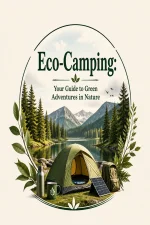
Product Details
| Content Format | PDF Ebook |
|---|---|
| Generation & Review | AI-Assisted Research & Expert Curation |

Want Unlimited Downloads?
Get instant access to this product plus 3,200+ digital products with Master Resale Rights at MasterResaleRightsClub.com.
Join MasterResaleRightsClubEco-Camping: Your Guide to Green Adventures in Nature
As environmental awareness continues to rise, many outdoor enthusiasts are looking for ways to enjoy nature while minimizing their impact on the planet. Eco-camping has become a popular choice for families and individuals who want to explore the great outdoors responsibly. This comprehensive guide offers valuable insights into the principles of eco-camping, practical tips for sustainable practices, and ways to make the most of your outdoor adventures without harming the environment.
About This Ebook
This ebook serves as a practical resource for those interested in eco-camping, a camping style focused on environmental responsibility and sustainability. It outlines essential practices that help reduce waste, conserve resources, and maintain the integrity of natural surroundings. By fostering a connection with nature and advocating for responsible outdoor activities, this guide empowers readers to embrace eco-camping principles and make informed decisions that benefit both their experiences and the environment.
What You'll Learn
- Key principles of eco-camping and how to implement them.
- How to prepare for an eco-friendly camping trip.
- Essential packing tips to minimize waste.
- Strategies for practicing sustainability while camping.
- Best practices for respecting wildlife and their habitats.
- How to choose eco-friendly camping gear and supplies.
- Ways to support local communities during your camping adventures.
Key Topics Covered
Understanding Eco-Camping
Eco-camping is about enjoying the outdoors in a way that is considerate of the environment. It encourages campers to minimize their ecological footprint by adopting practices that protect natural resources and wildlife. This section delves into the philosophy behind eco-camping, emphasizing the importance of being responsible stewards of nature while enjoying outdoor activities.
Principles of Eco-Camping
This guide outlines several fundamental principles that define eco-camping. From the "Leave No Trace" philosophy to choosing sustainable gear, these principles provide a framework for campers to follow. Understanding these guidelines helps ensure that outdoor activities are conducted in a manner that preserves the beauty and integrity of natural spaces.
Preparing for Your Eco-Camping Trip
Preparation is crucial for a successful eco-camping experience. This section covers the importance of researching sustainable campsites, planning itineraries that align with eco-friendly practices, and packing wisely to reduce waste. By taking these steps, campers can enhance their outdoor experience while being mindful of their environmental impact.
Practicing Sustainability While Camping
Once at the campsite, implementing sustainable practices is essential. This section provides practical advice on setting up camp responsibly, using biodegradable products, and cooking in an eco-friendly manner. By following these tips, campers can enjoy their time in nature while minimizing harm to the environment.
Key Benefits
- Enhances your outdoor experience through sustainable practices.
- Encourages a deeper connection with nature.
- Promotes responsible behavior that protects wildlife and ecosystems.
- Supports local economies by engaging with community resources.
- Provides practical knowledge for environmentally conscious camping.
Who This Ebook Is For
This ebook is ideal for nature lovers, families, and individuals who wish to explore the outdoors while being mindful of their environmental impact. Whether you are a seasoned camper or new to outdoor adventures, this guide will equip you with the knowledge and tools needed to enjoy eco-camping responsibly. It is perfect for anyone looking to combine their love for nature with a commitment to sustainability.
Frequently Asked Questions
What is eco-camping?
Eco-camping is a style of camping that focuses on minimizing environmental impact through sustainable practices and responsible behavior while enjoying the outdoors.
How can I prepare for an eco-camping trip?
Preparation involves researching eco-friendly campsites, planning an itinerary that aligns with sustainable practices, and packing only necessary items to reduce waste.
What are some key principles of eco-camping?
Key principles include leaving no trace, choosing eco-friendly gear, conserving resources, respecting wildlife, and supporting local communities.
Can I use traditional camping gear for eco-camping?
While traditional camping gear can be used, it is recommended to opt for eco-friendly alternatives made from sustainable materials to reduce your environmental footprint.
How can I practice sustainability while camping?
Practice sustainability by setting up camp responsibly, using biodegradable products, cooking with local ingredients, and ensuring that all waste is disposed of properly.