The Digital Classroom
Product Details
| Content Format | PDF Ebook |
|---|---|
| Generation & Review | AI-Assisted Research & Expert Curation |

Want Unlimited Downloads?
Get instant access to this product plus 3,200+ digital products with Master Resale Rights at MasterResaleRightsClub.com.
Join MasterResaleRightsClubIntroduction
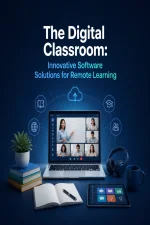
As education increasingly shifts to digital platforms, the need for effective online learning tools has never been more critical. "The Digital Classroom" is an insightful eBook that explores the innovative software solutions transforming the remote learning experience for both educators and students. This guide provides a comprehensive overview of various applications and technologies that enhance online education, making it a valuable resource for anyone involved in teaching or learning in a digital environment.
About This Ebook
This eBook addresses the rapid evolution of education through technology, particularly focusing on the rise of remote learning. It outlines how educators can effectively leverage software tools to foster engagement and collaboration among students. Covering a range of platforms, from Learning Management Systems to interactive learning tools, "The Digital Classroom" equips readers with the knowledge to navigate the digital landscape of education. It emphasizes the importance of adapting to new technologies and provides practical insights into how these tools can enhance educational outcomes.
What You'll Learn
- Key features and benefits of Learning Management Systems (LMS).
- How video conferencing tools facilitate real-time interaction in virtual classrooms.
- The role of interactive learning platforms in increasing student engagement.
- Ways to create visually appealing content using design tools.
- Effective assessment and feedback methods to support student performance.
- Challenges faced in digital education and strategies to overcome them.
Key Topics Covered
Learning Management Systems (LMS)
Learning Management Systems, such as Moodle and Canvas, are pivotal in organizing online courses. These platforms serve as centralized hubs where educators can upload materials, monitor student progress, and maintain communication. By streamlining course management, LMSs ensure that all learners have easy access to essential resources, enhancing the overall educational experience.
Video Conferencing Tools
Video conferencing applications like Zoom and Microsoft Teams have become indispensable in remote education. They enable live interaction between teachers and students, facilitating lectures, discussions, and collaborative group projects. The features that allow screen sharing and breakout sessions significantly enrich the learning experience, fostering a sense of community even in a virtual setting.
Interactive Learning Platforms
Platforms such as Kahoot! and Quizlet bring gamification into the educational sphere, transforming traditional assessments into engaging activities. By incorporating game-like elements, these tools enhance student motivation and participation. This interactive approach not only makes learning fun but also improves information retention, making it an effective strategy for educators.
Content Creation Tools
Effective online teaching requires engaging content, and tools like Adobe Spark and Canva help educators create visually striking presentations and materials. These resources allow for the design of infographics and videos that can simplify complex topics, making them more accessible and appealing to learners. Engaging visuals play a crucial role in maintaining student interest and enhancing comprehension.
Assessment and Feedback Tools
Tools such as Google Forms and Turnitin are vital for evaluating student performance in a digital classroom. These platforms simplify the assignment collection process, enable timely feedback, and facilitate thorough evaluations. Constructive feedback is crucial for student development, and these tools ensure that educators can provide valuable insights to support student learning effectively.
Key Benefits
- Enhances engagement and collaboration in remote learning environments.
- Provides educators with tools to create dynamic and interactive lessons.
- Facilitates easy access to educational resources for all students.
- Supports timely assessment and constructive feedback for continuous improvement.
- Helps educators navigate challenges associated with digital learning.
Who This Ebook Is For
This eBook is designed for educators, school administrators, and anyone involved in the educational sector looking to enhance their remote teaching practices. Whether you are a seasoned teacher adapting to online instruction or an administrator seeking to implement new technologies in your institution, "The Digital Classroom" offers valuable insights and practical solutions to improve the online learning experience.
Frequently Asked Questions
What is the primary focus of "The Digital Classroom"?
The eBook focuses on innovative software solutions that enhance the remote learning experience for educators and students, providing insights into various tools and technologies.
Who can benefit from this eBook?
Educators, administrators, and anyone interested in improving online education can find valuable information and practical strategies in this guide.
What types of software solutions are discussed?
The eBook covers Learning Management Systems, video conferencing tools, interactive learning platforms, content creation tools, and assessment tools.
Does the eBook address challenges in remote learning?
Yes, it discusses common challenges such as digital equity and varying levels of technological proficiency, along with strategies to overcome these issues.
How can this eBook help improve online education?
By providing insights into effective tools and strategies, the eBook helps educators create more engaging, inclusive, and effective online learning environments.