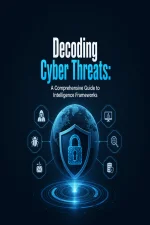
Decoding Cyber Threats
Product Details
| Content Format | PDF Ebook |
|---|---|
| Generation & Review | AI-Assisted Research & Expert Curation |

Want Unlimited Downloads?
Get instant access to this product plus 3,200+ digital products with Master Resale Rights at MasterResaleRightsClub.com.
Join MasterResaleRightsClubIntroduction
In an age where technology is integral to our daily lives, understanding the landscape of cyber threats is essential for both individuals and organizations. As our reliance on digital systems grows, so does the risk of malicious activities that can compromise sensitive information. "Decoding Cyber Threats" is an informative ebook designed to guide readers through the complexities of cyber threats and the intelligence frameworks that can help mitigate these risks. This resource is ideal for anyone looking to enhance their cybersecurity knowledge and improve their defenses against potential attacks.
About This Ebook
This ebook delves into the various types of cyber threats that pose risks to digital security, including malware, phishing, ransomware, and denial of service attacks. It emphasizes the importance of understanding these threats to develop effective cybersecurity strategies. Additionally, "Decoding Cyber Threats" explores the role of intelligence frameworks in managing cyber threats, offering structured approaches to gather and analyze information. By leveraging these frameworks, readers will learn how to identify vulnerabilities, respond to incidents, and proactively mitigate risks in their organizations.
What You'll Learn
- Different types of cyber threats and their implications for digital security.
- The importance of intelligence frameworks in managing cyber threats.
- Key benefits of utilizing intelligence frameworks for improved cybersecurity.
- Overview of established intelligence frameworks such as MITRE ATT&CK and the Cyber Kill Chain.
- Steps for implementing an intelligence framework effectively within an organization.
- Strategies for continuous monitoring and improvement of cybersecurity measures.
Key Topics Covered
Understanding Cyber Threats
Cyber threats are diverse and can take many forms, including malware that disrupts systems, phishing attacks that deceive users into revealing sensitive information, and ransomware that locks data until a ransom is paid. Understanding these threats is crucial for developing robust defenses and ensuring the integrity of digital systems.
Importance of Intelligence Frameworks
Intelligence frameworks provide a structured approach to understanding and managing cyber threats. These frameworks enable organizations to gather and analyze threat data, enhancing their situational awareness and decision-making capabilities. By implementing these frameworks, organizations can better anticipate potential attacks and allocate resources more effectively to defend against them.
Types of Intelligence Frameworks
Various intelligence frameworks exist, each with its unique methodologies. For instance, the MITRE ATT&CK framework offers insights into adversary behaviors, while the Lockheed Martin Cyber Kill Chain outlines the stages of a cyber attack. Understanding these frameworks can help organizations tailor their cybersecurity strategies to better address specific threats.
Implementing an Intelligence Framework
Successfully implementing an intelligence framework involves assessing the current cybersecurity posture, selecting the appropriate framework, training personnel, and continuously monitoring and improving threat intelligence processes. Following these steps can help organizations adapt to the ever-evolving threat landscape and enhance their overall security posture.
Key Benefits
- Increased awareness of potential cyber threats and vulnerabilities.
- Enhanced ability to respond to incidents and mitigate risks effectively.
- Improved collaboration and information sharing among organizations.
- Data-driven decision-making that informs resource allocation.
- Structured approaches to continuously adapt to new threats.
Who This Ebook Is For
This ebook is tailored for a wide range of readers, including cybersecurity professionals, IT managers, business owners, and anyone interested in enhancing their understanding of cyber threats. Whether you are looking to strengthen your organization's defenses or simply want to learn more about the digital security landscape, "Decoding Cyber Threats" offers valuable insights and practical guidance to help you navigate these challenges.
Frequently Asked Questions
What are the main types of cyber threats discussed in this ebook?
The ebook covers various types of cyber threats, including malware, phishing, ransomware, and denial of service attacks.
How can intelligence frameworks improve cybersecurity?
Intelligence frameworks enhance cybersecurity by providing structured methods for gathering and analyzing threat information, which improves situational awareness and decision-making.
What frameworks are explored in this ebook?
This ebook discusses several intelligence frameworks, including MITRE ATT&CK, the Lockheed Martin Cyber Kill Chain, and the Diamond Model of Intrusion Analysis.
What steps are involved in implementing an intelligence framework?
Key steps include assessing your current cybersecurity posture, selecting an appropriate framework, training personnel, and ensuring continuous monitoring and improvement.
Who would benefit from reading this ebook?
This ebook is beneficial for cybersecurity professionals, IT managers, business owners, and anyone interested in enhancing their knowledge of cyber threats and defenses.