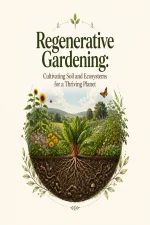
Regenerative Gardening
Product Details
| Content Format | PDF Ebook |
|---|---|
| Generation & Review | AI-Assisted Research & Expert Curation |

Want Unlimited Downloads?
Get instant access to this product plus 3,200+ digital products with Master Resale Rights at MasterResaleRightsClub.com.
Join MasterResaleRightsClubRegenerative Gardening
Discover the transformative world of regenerative gardening with this insightful ebook. Designed for both novice and experienced gardeners, this guide emphasizes sustainable practices that nurture the soil and restore ecosystems. By focusing on long-term environmental health rather than short-term yields, readers will learn how to cultivate gardens that thrive in harmony with nature. Whether you're looking to enhance your gardening skills or make a positive impact on the planet, this ebook provides the knowledge and techniques you need to get started.
About This Ebook
This ebook delves into the principles and practices of regenerative gardening, a method that prioritizes ecological balance and soil health. Unlike conventional gardening, which often leads to resource depletion, regenerative gardening promotes sustainability and biodiversity. Readers will explore the interconnectedness of soil, plants, and ecosystems, learning how to create vibrant gardens that support both flora and fauna. With practical guidance and actionable strategies, this ebook empowers individuals to implement regenerative practices in their own gardening endeavors, fostering a healthier planet for future generations.
What You'll Learn
- The foundational principles of regenerative gardening and their importance.
- Effective techniques for improving soil health and structure.
- Strategies to enhance biodiversity in your garden.
- Water management practices that align with natural cycles.
- Natural pest control methods that minimize chemical use.
- Simple steps to start composting and cover cropping.
- The benefits of no-till gardening and permaculture principles.
Key Topics Covered
Soil Health
Healthy soil is essential for successful gardening. This ebook emphasizes the importance of nurturing soil through practices such as composting, cover cropping, and crop rotation. By enhancing soil structure and increasing organic matter, gardeners can foster a thriving microbial community that supports plant growth and resilience.
Biodiversity
Encouraging a diverse array of plant species is crucial for ecological balance. This section explores how biodiversity not only improves garden resilience against pests and diseases but also supports beneficial organisms like pollinators and soil microbes. Readers will learn how to create a more diverse and vibrant garden ecosystem.
Water Management
Effective water management is vital for sustainable gardening. The ebook covers techniques such as rainwater harvesting and drip irrigation, which help gardens adapt to changing weather patterns. By working with natural water cycles, gardeners can enhance the resilience of their plants and reduce water waste.
Natural Pest Control
Moving away from synthetic pesticides is a key focus of regenerative gardening. This section discusses the use of natural predators and companion planting as effective pest management strategies. By fostering a balanced ecosystem, gardeners can minimize harm to beneficial organisms while keeping pests at bay.
Key Benefits
- Contributes to environmental restoration by improving soil health and biodiversity.
- Enhances food security through increased productivity and resilience in food systems.
- Promotes personal well-being by connecting individuals with nature and reducing stress.
- Encourages sustainable practices that support long-term ecological balance.
Who This Ebook Is For
This ebook is ideal for anyone interested in gardening with an eco-friendly mindset. Whether you are a beginner looking to start your first garden or an experienced gardener seeking to adopt more sustainable practices, this guide offers valuable insights. It is also suitable for environmental enthusiasts and community leaders who wish to promote regenerative practices within their local areas.
Frequently Asked Questions
What is regenerative gardening?
Regenerative gardening is an approach that focuses on building healthy soil, enhancing biodiversity, and restoring ecosystems, prioritizing long-term sustainability over short-term yields.
How can I improve my garden's soil health?
Improving soil health can be achieved through practices such as composting, cover cropping, and reducing tillage, all of which enhance soil structure and microbial activity.
What are the benefits of biodiversity in gardening?
Biodiversity helps improve resilience against pests and diseases, supports beneficial organisms, and contributes to a healthier ecosystem overall.
Is natural pest control effective?
Yes, natural pest control methods, such as using beneficial insects and companion planting, can effectively manage pests while minimizing harm to non-target organisms.
Can I practice regenerative gardening in a small space?
Absolutely! Regenerative gardening techniques can be adapted for small gardens, balconies, or even indoor spaces, making it accessible for all types of gardeners.