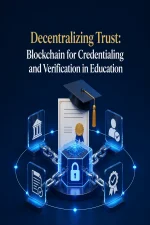
Decentralizing Trust
Product Details
| Content Format | PDF Ebook |
|---|---|
| Generation & Review | AI-Assisted Research & Expert Curation |

Want Unlimited Downloads?
Get instant access to this product plus 3,200+ digital products with Master Resale Rights at MasterResaleRightsClub.com.
Join MasterResaleRightsClubDecentralizing Trust
In today's world, where trust in credentials is crucial, the education sector is on the lookout for innovative solutions to enhance the verification of qualifications. "Decentralizing Trust" is an insightful ebook that explores how blockchain technology can revolutionize credentialing and verification processes in education. This resource is designed for educators, administrators, and policymakers who are keen to understand how decentralizing trust can lead to more reliable and efficient systems.
About This Ebook
This ebook offers a deep dive into the transformative impact of blockchain technology on the education sector. It highlights the significance of decentralization in establishing trust and credibility in credentialing processes. Readers will learn about the limitations of traditional credentialing methods and how blockchain can provide a more secure, transparent, and efficient alternative. By examining the current challenges and potential solutions, this ebook serves as a comprehensive guide for those looking to modernize education verification systems.
What You'll Learn
- The fundamental principles of blockchain technology and how they apply to education.
- Challenges faced by traditional credentialing systems and the need for innovation.
- Practical applications of blockchain in issuing digital diplomas and certificates.
- How blockchain can streamline the verification process for employers.
- Insights from real-world case studies highlighting successful blockchain implementations.
- Future trends in credentialing and the ongoing evolution of educational practices.
Key Topics Covered
The Need for Change
Traditional credentialing processes often become cumbersome and are susceptible to fraud. This section discusses the growing demand for verified qualifications and the limitations of existing systems, emphasizing the necessity for a more reliable verification method to keep pace with modern educational needs.
Understanding Blockchain Technology
This section provides a clear overview of blockchain technology, explaining its decentralized nature, transparency, and security features. Readers will gain a better understanding of how blockchain operates and why it is considered a suitable solution for credentialing in educational institutions.
Applications in Education
Discover the various ways blockchain can be applied within educational settings. From issuing digital diplomas to facilitating student mobility between institutions, this section outlines the practical benefits of adopting blockchain technology, including reduced administrative burdens and enhanced verification processes.
Case Studies
Learn from real-world examples of educational institutions that have successfully implemented blockchain solutions. This section highlights the benefits gained and challenges faced during the adoption of blockchain technology, providing valuable insights for other institutions considering similar initiatives.
The Future of Credentialing
The ebook concludes with a forward-looking perspective on the integration of blockchain in education. It explores potential trends and developments that could shape the future of credentialing, encouraging readers to consider how they can be part of this technological evolution.
Key Benefits
- Enhanced security and transparency in credential verification.
- Reduced risk of fraud and misrepresentation in educational qualifications.
- Streamlined processes that save time and resources for educational institutions.
- Improved trust between students, employers, and educational entities.
- Greater flexibility for students moving between institutions.
Who This Ebook Is For
"Decentralizing Trust" is an essential read for educators, administrators, and policymakers who are interested in the future of credentialing in education. Whether you are looking to improve verification processes or seeking innovative solutions to enhance trust in qualifications, this ebook provides valuable insights and practical guidance tailored to your needs.
Frequently Asked Questions
What is blockchain technology?
Blockchain technology is a decentralized system that securely records transactions across multiple computers, making it resistant to tampering and fraud.
How can blockchain improve credentialing in education?
Blockchain can provide a secure and transparent method for issuing and verifying educational credentials, reducing the risk of fraud and streamlining verification processes.
What are the practical applications of blockchain in education?
Practical applications include issuing digital diplomas, enhancing student mobility, and simplifying the verification process for employers.
Are there real-world examples of blockchain in education?
Yes, the ebook includes case studies showcasing successful implementations of blockchain technology in various educational institutions.
Who would benefit from reading this ebook?
This ebook is ideal for educators, administrators, and policymakers interested in understanding the implications of blockchain technology for credentialing and verification in education.