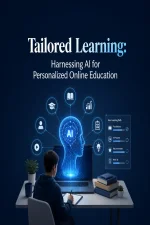
Tailored Learning
Product Details
| Content Format | PDF Ebook |
|---|---|
| Generation & Review | AI-Assisted Research & Expert Curation |

Want Unlimited Downloads?
Get instant access to this product plus 3,200+ digital products with Master Resale Rights at MasterResaleRightsClub.com.
Join MasterResaleRightsClubIntroduction
In today's fast-paced educational environment, the integration of technology has fundamentally changed how we learn. "Tailored Learning" delves into the innovative realm of personalized online education, utilizing artificial intelligence to create customized learning experiences. This ebook is designed for educators, students, and anyone interested in understanding how personalized approaches can address diverse learning needs, ultimately enhancing educational outcomes for individuals of all ages.
About This Ebook
This insightful ebook explores the transformative power of personalized online education through the lens of artificial intelligence. As traditional educational models struggle to meet the varied requirements of learners, tailored learning provides a compelling solution. By harnessing AI technologies, this ebook highlights how educational practices can shift from generic teaching methods to more individualized approaches. Readers will gain a deeper understanding of the mechanisms behind tailored learning systems, their key features, and the benefits they offer to both learners and educators. With practical insights, this resource serves as a guide for anyone looking to navigate the evolving landscape of education.
What You'll Learn
- The role of artificial intelligence in reshaping educational practices.
- Key features of adaptive learning platforms and personalized learning paths.
- The importance of real-time feedback in enhancing student performance.
- How data-driven insights can inform teaching strategies.
- The benefits of personalized online education for diverse learning needs.
- Challenges associated with implementing tailored learning systems.
Key Topics Covered
The Role of AI in Education
Artificial intelligence is a game-changer in education, moving away from a one-size-fits-all model to a more customized learning experience. By analyzing data on student behaviors and preferences, AI helps educators create tailored curricula that resonate with individual learners, ultimately improving engagement and retention.
Features of Tailored Learning Systems
Tailored learning systems incorporate various AI technologies that enhance the educational experience. Key features include adaptive learning platforms that adjust content delivery based on student understanding, personalized learning paths that align with individual goals, and real-time feedback that aids in identifying areas for improvement. These elements work together to create a more engaging and effective learning environment.
Benefits of Personalized Education
The shift to personalized online education offers numerous advantages. Increased engagement is a significant benefit, as tailored content resonates more with learners. Additionally, students often experience improved learning outcomes, as they can learn at their own pace. The flexibility of online education accommodates diverse lifestyles, making it accessible to a broader audience and supporting various learning needs.
Challenges in Implementation
Despite the promising potential of AI in education, several challenges must be addressed. Concerns about data privacy and security are paramount, as is the need for equitable access to technology. Furthermore, the quality of educational content must be consistently evaluated to ensure that tailored learning remains effective and relevant.
Key Benefits
- Enhanced engagement through personalized content that motivates learners.
- Improved retention and understanding by allowing students to progress at their own pace.
- Flexibility in accessing educational materials anytime and anywhere.
- Support for diverse learning styles and needs, promoting inclusivity in education.
Who This Ebook Is For
This ebook is ideal for educators looking to integrate personalized learning strategies into their teaching practices, as well as students seeking to understand how tailored education can enhance their learning experiences. Additionally, parents and educational administrators will find valuable insights on the importance of adaptive learning approaches and how to implement them effectively in various educational settings.
Frequently Asked Questions
What is tailored learning?
Tailored learning refers to personalized educational experiences that are customized to meet the unique needs and preferences of individual learners, often facilitated by artificial intelligence.
How does AI enhance personalized education?
AI enhances personalized education by analyzing data on student performance and preferences, allowing for the creation of customized curricula and learning experiences that adapt to individual needs.
What are the key features of tailored learning systems?
Key features include adaptive learning platforms, personalized learning paths, real-time feedback, data-driven insights, and content curation that aligns with learners' interests.
What benefits does personalized online education offer?
Personalized online education can lead to increased engagement, improved learning outcomes, flexibility in accessing materials, and support for diverse learning needs.
What challenges are associated with implementing tailored learning?
Challenges include ensuring data privacy, providing equitable access to technology, and maintaining the quality of educational content.